Resin Bound Surfaces: A Comprehensive Guide to Installation and Benefits


Resin bound surfaces have become increasingly popular for both residential and commercial projects. They offer a sleek, contemporary look while providing durability and low maintenance. This comprehensive guide will walk you through the installation process and highlight the benefits of choosing resin bound surfaces for your next project.

What are Resin Bound Surfaces?
Resin bound surfaces are created by mixing resin with aggregates like gravel, marble, or recycled materials. This combination is then applied to a prepared base to form a smooth, permeable surface. The result is a visually appealing finish that can withstand various weather conditions.
The permeability of resin bound surfaces allows water to drain through, reducing the risk of puddles and flooding. This makes them an ideal choice for driveways, pathways, and patios.
Advantages of Resin Bound Surfaces
One of the most significant advantages of resin bound surfaces is their aesthetic appeal. Available in a wide range of colors and textures, they can complement any architectural style. Additionally, they offer the following benefits:
- Durability: Resin bound surfaces are highly resistant to wear and tear, making them suitable for high-traffic areas.
- Low Maintenance: These surfaces require minimal upkeep, typically needing only periodic cleaning to maintain their appearance.
- Eco-Friendly: Materials used can often be recycled, contributing to sustainability efforts.
Installation Process
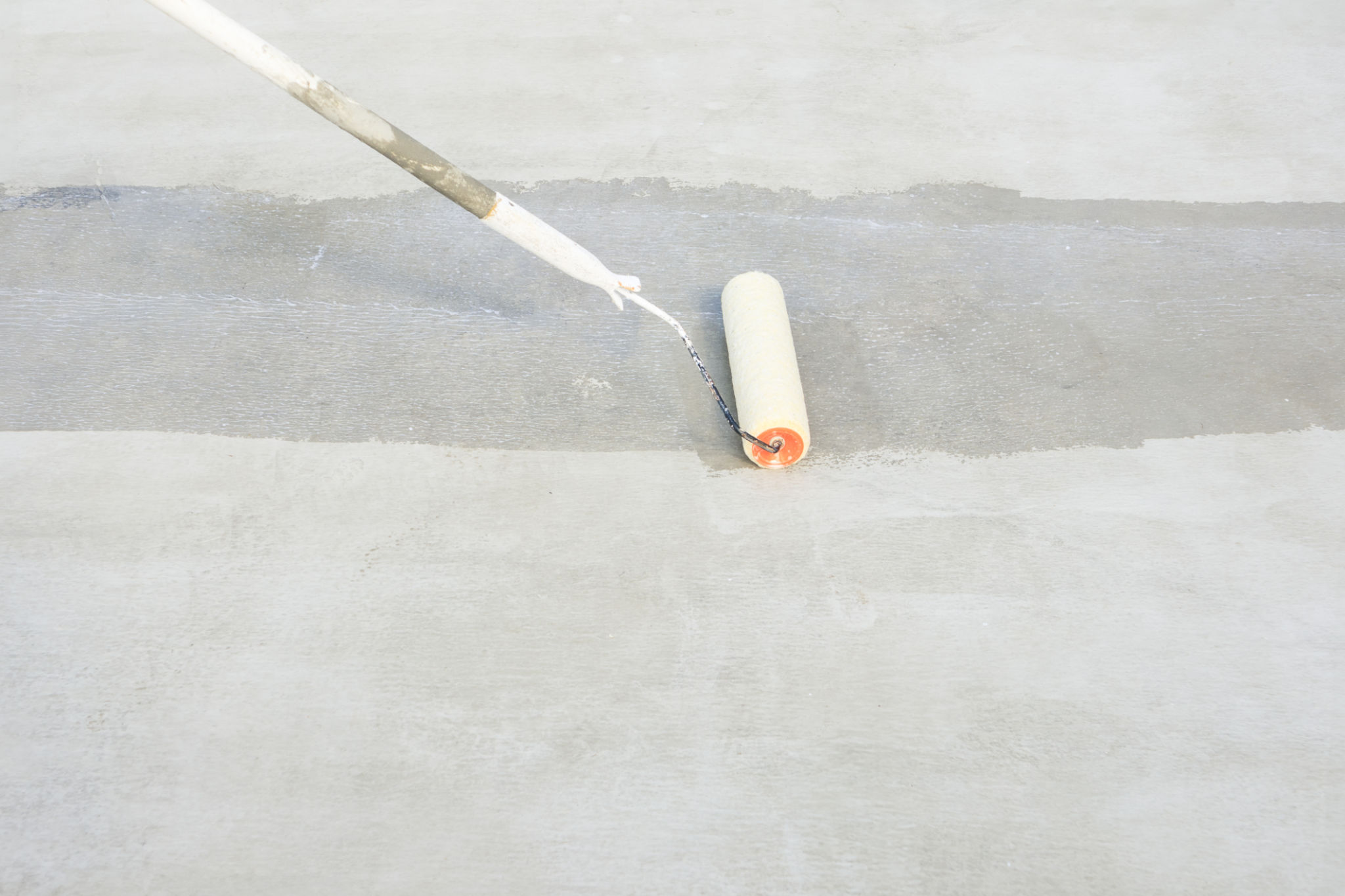
The installation of resin bound surfaces requires careful planning and execution. Here’s a step-by-step guide to the process:
- Preparation: Start by preparing the base. This involves cleaning and leveling the area to ensure a smooth finish.
- Mixing: Mix the resin with the chosen aggregates. This should be done thoroughly to ensure an even distribution of materials.
- Application: Spread the mixture evenly over the prepared base using specialized tools. This step must be done quickly to prevent the resin from setting unevenly.
- Curing: Allow the surface to cure. This usually takes 24 to 48 hours, depending on weather conditions.
Proper installation is crucial to ensure the longevity and performance of the resin bound surface. Hiring professionals with experience in resin applications can help achieve the best results.

Where to Use Resin Bound Surfaces
Resin bound surfaces are versatile and can be used in various settings. Common applications include:
- Driveways
- Patios
- Pathways
- Pool surrounds
- Commercial spaces like car parks and courtyards
The ability to customize colors and textures makes resin bound surfaces a popular choice for both residential and commercial projects.
Conclusion
Resin bound surfaces offer a combination of beauty, durability, and sustainability. Their low maintenance nature and wide range of aesthetic options make them a preferred choice for modern landscaping and construction projects. Whether you're updating a driveway or creating a stylish patio, resin bound surfaces provide a reliable and attractive solution.